Zilberman
Goethestraße 82, 10623 Berlin
Founded in 2008 in Istanbul, Zilberman expanded internationally with the addition of the Berlin gallery in 2016 and the Miami gallery in 2023. Serving as a global hub for artists, the gallery transcends borders to promote and support artistic practices worldwide. Committed to fostering emerging talent, Zilberman actively takes on the responsibility of cultivating the careers of young artists.
Zilberman occupies two distinct floors within the historic Mısır Apartment, a prominent example of art nouveau architecture in Istanbul. In 2022, Zilberman opened a second location, Zilberman Selected in Piyalepaşa. In 2016, Zilberman expanded internationally and opened its first location in Berlin; in a turn-of-the-century building at Goethestr. 82 which later, in 2023 was turned into a nonprofit project space. Zilberman Berlin relocated to a second location at Schlüterstr. 45, Charlottenburg. The space in Goethestraße remains and continues as a project space, Platform 82. In 2023, Zilberman expanded to the US and opened a new gallery space in Miami Design District.
The gallery maintains a strong presence at international art fairs, fostering close relationships with collectors, curators, and art professionals. With a firm belief in a commercial gallery’s role in assuming social responsibility for education and audience development, Zilberman organizes artist talks, lecture-performances, book launches, and roundtable discussions. Furthermore, Zilberman provides artists with opportunities to live and work in Berlin or Istanbul through its artist-in-residency programs. To conclude each year’s exhibition season across all three locations, Zilberman curates ‚Young Fresh Different,‘ a group show featuring works of young artists selected by an independent jury from nationwide open call submissions.
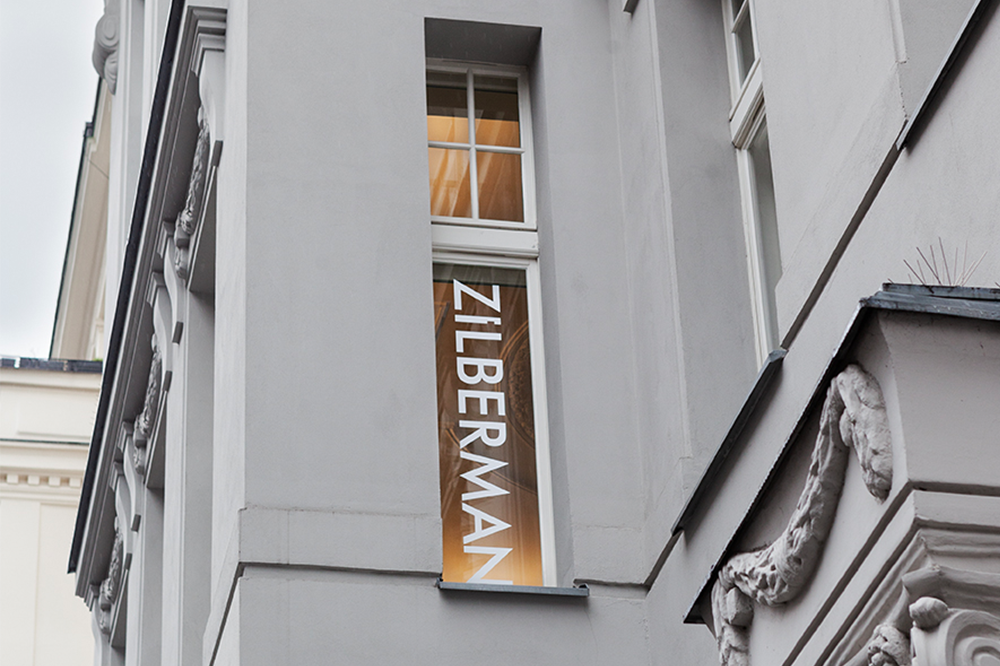
Photo Credit: CHROMA